North View: therapeutic by design
Lighting in mental healthcare has evolved from a background system to a strategic design tool, moving beyond basic illumination to actively support patient wellbeing and clinical outcomes.
When planned with sensitivity and expert knowledge, it has the power to support circadian rhythms, reduce patient sensory overload, and create environments that feel safe, calm, and restorative.
A compelling example of this approach is at the North View Adult Acute Facility in Manchester.
Purpose-built to replace Park House at North Manchester General Hospital, the facility sets a new UK benchmark for mental healthcare, leading-edge technology, therapeutic environments, and a commitment to service-user wellbeing.
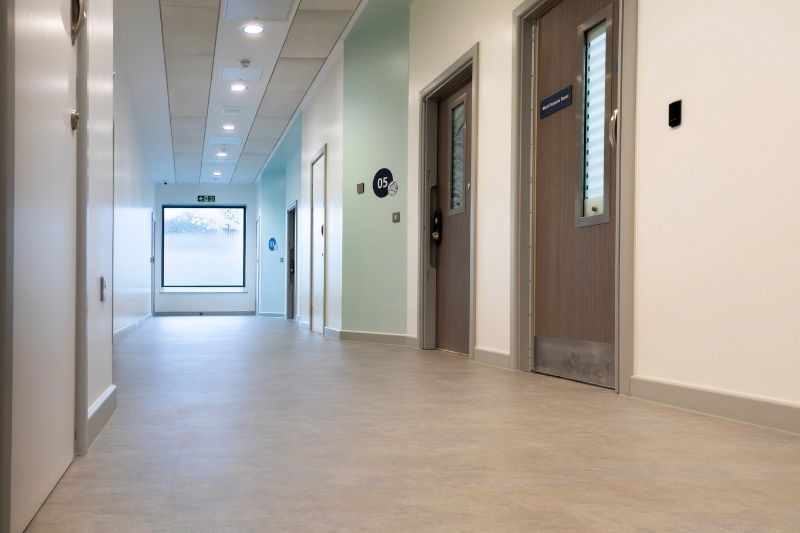
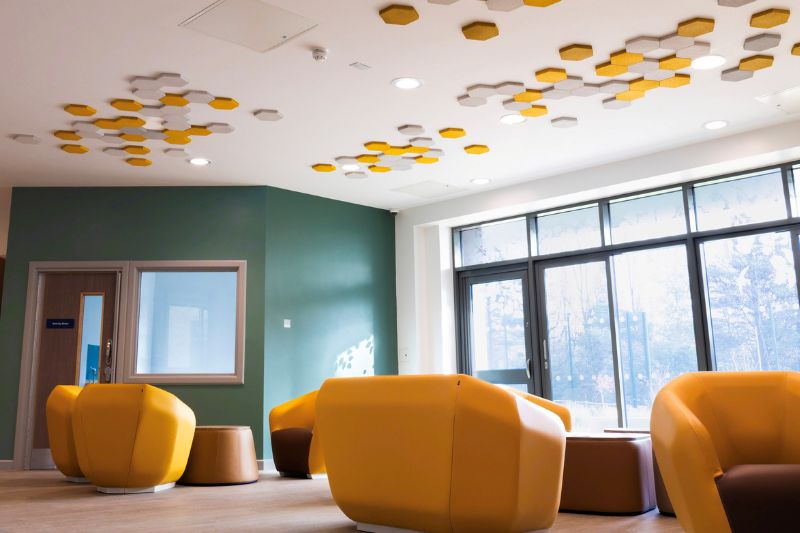
Lighting has been considered in every space, including clinical and main living areas, creating a unified sense of calm across the facility.
From its 150 en-suite bedrooms to rooftop spaces, outdoor exercise zones and landscaped gardens, each environment benefits from lighting designed to enhance comfort, reduce anxiety, and create a warm, homely feel rather than a clinical atmosphere.
Warmer 3,000K colour temperature lighting creates a soothing environment that is more akin to a hotel than a traditional healthcare facility, increasing serenity and reducing sensory overload.
Low-stimulus spaces
Subdued lighting can deliver a variety of colour temperatures and tones that help create feelings of reassurance, allowing service-users to feel more comfortable in their new surroundings.
High levels of glare control have also been incorporated across nine single-sex wards to soften contrasts and avoid visual harshness—a crucial requirement for those with heightened sensory sensitivity—creating environments that put individuals at ease and reduce cognitive demand.
Sleep easy
Lighting also plays a critical role in promoting good-quality sleep, a vital aspect that influences mental health recovery.
The lighting at North View is designed to work in harmony with an individual’s circadian rhythm, adjusting and aligning with natural light patterns across the day and the level of activity required in each space.
Adaptive observation lighting in individual bedrooms also delivers a new approach to balancing clinical monitoring with dignity and rest.
First tested in a full-scale mock-up, the system allows staff to check on service-users without waking or disturbing them.
This means that nighttime interruptions are kept to a minimum, thereby protecting sleep quality, assisting emotional regulation, and supporting overall recovery.
Supporting better staff
Therapeutic lighting also benefits the wellbeing and performance of healthcare staff.
Balanced lighting provides appropriate illumination while avoiding the adverse effects of over- or under-lighting, reducing staff fatigue and improving alertness and clear thinking across long or complex shifts.
In break areas, warmer, calmer lighting helps create restorative spaces where staff can pause, decompress, and recharge—a small detail, but one that assists people in returning to work feeling refreshed.
Safety above all else
Mental healthcare environments demand the highest standards of safety and resilience, and lighting is no exception. Luminaires must be robust, tamper-proof, and capable of withstanding considerable and sustained force.
At North View, this meant specifying fixtures designed to meet the unique demands of mental health environments.
Whitecroft’s solution centred on its specialist MSU lighting range, equipped with accessory kits developed specifically for healthcare settings and independently tested to meet Department of Health standards.
Given the nature of the facility, tamper-resistant, highly durable fittings were essential.
To further enhance both safety and aesthetics, a frameless 6mm clear polycarbonate diffuser was selected.
Tested to withstand sustained physical impact, it removes the need for a visible retaining frame, reinforcing ligature safety while creating a softer, more considered appearance by allowing luminaires to sit neat and flush with the ceiling.
Safe, soothing, secure
North View personifies the evolution in modern mental healthcare lighting design. Lighting is no longer seen as just a technical requirement but as a therapeutic asset, capable of restoring calm and supporting emotional balance.
It also demonstrates how clinical requirements can be combined with compassion-led design, so that safety and sensory comfort work hand in hand.
As the UK expands and modernises its mental health estate—with new facilities such as Combe Valley Hospital in East Sussex and Mossley Hill in Liverpool—these principles will increasingly shape best practice.
There is also a growing expectation across the sector that environments must actively support dignity, reassurance, and a sense of wellbeing.
As services continue to evolve, human-centred design will define the next generation of care, and the role of lighting will remain one of the most effective tools for creating spaces that foster genuine care, recovery, and a sense of peace.