
But how can robust fitted furniture be used to transform hospital wards, treatment rooms and waiting areas into supportive and tranquil spaces? There is a simple answer and research shows that when fitted furniture is thoughtfully arranged, it helps to create designated areas for relaxation, patient care and socialisation. This is the power of good design, helping to shape a healing environment.
Even better, fitted furniture offers several advantages over traditional loose furniture. Hospitals and healthcare centres often cater to individuals experiencing stress, anxiety and physical discomfort. Fitted furniture, with its defined spaces and built-in storage, creates a sense of order and predictability. Shelving and cabinets eliminate clutter, providing dedicated spaces for medical equipment, patient belongings and calming visual stimulation. This can significantly reduce feelings of stress and disorganisation.
Safety is also a paramount concern in any healthcare facility. Because of this, fitted furniture can be designed to minimise sharp corners and edges, reducing potential hazards. Additionally, built-in features such as secure drawers and cabinets can prevent access to sensitive medical supplies and hazardous materials. Furthermore, the inherent sturdiness of fitted furniture contributes to a sense of security and stability in the space. For patients with specific needs, fitted furniture designs can be further adapted to include grab bars, lowered workstations or height-adjustable surfaces.
For many practical reasons, hospitals and healthcare centres often face space constraints, which is why effective fitted furniture design allows for efficient space utilisation. Walls and corners can be transformed into functional storage areas, maximising available floor space. This creates a sense of spaciousness, which can be crucial for fostering a sense of calm and freedom of movement in often-busy environments.
Enhancing patient experience
The patient experience is at the heart of healthcare, and fitted furniture can be designed to create comfortable and functional spaces for rest and recovery. Hospital rooms can incorporate fitted storage solutions to keep personal belongings organised, while built-in seating can provide a comfortable space for visitors. In waiting areas, thoughtfully designed fitted furniture can also offer seating arrangements that maintain privacy while encouraging a calming atmosphere.
While consistency is important in a healthcare facility, there is also room to allow for individual comfort and expression. Fitted furniture can be designed with bespoke features such as pinboards or display areas. This allows patients to personalise their space with photographs, artwork or uplifting messages, fostering a sense of familiarity and comfort during their stay.
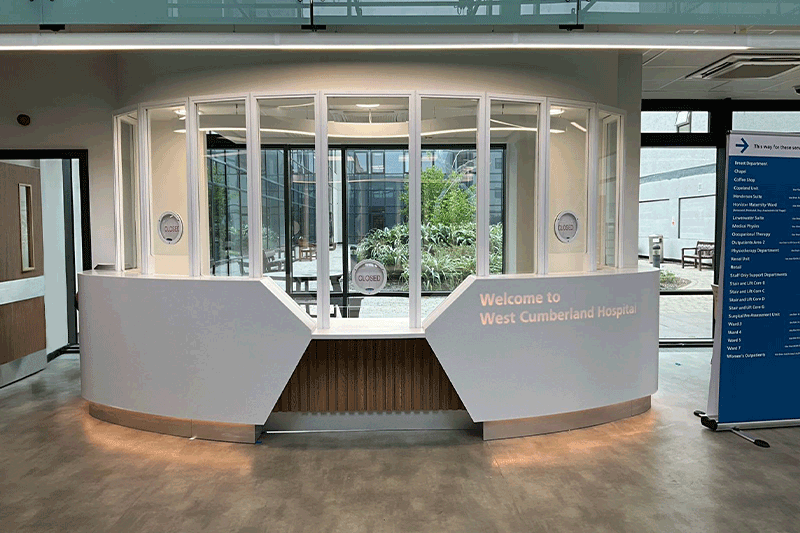
Reception areas are equally as important and serve as the first point of contact for patients, visitors and staff, making their design crucial in establishing a welcoming and efficient atmosphere. Fitted furniture in reception areas ensures that the space remains organised and professional, with custom-built desks and counters providing ample workspace for administrative staff. Integrated storage solutions help maintain a clutter-free environment, enhancing both functionality and aesthetic appeal. Thoughtfully designed seating arrangements can offer comfortable waiting areas, ensuring that patients and visitors feel at ease while they await appointments or assistance.
Incorporating durable and easy-to-clean materials within reception area furniture is also essential in maintaining high hygiene standards in healthcare settings. Smooth surfaces and antimicrobial finishes contribute to infection control, reducing the risk of cross-contamination. Additionally, the use of calming colour schemes and natural light can create a soothing atmosphere, helping to alleviate anxiety for patients. Well-designed reception spaces not only improve workflow efficiency, but also play a key role in fostering a reassuring and supportive environment for all who enter a healthcare facility.
The materials used in fitted furniture also play a significant role in setting the tone of the space. Smooth, non-porous finishes are easier to clean and maintain, contributing to a hygienic environment. This is essential to maintain good bacterial control and in addition, these surfaces can complement soft furnishings like cushioned chairs and ergonomic beds for added comfort and a sense of warmth.
In addition, colours have a profound impact on mood and well-being, which is why companies like David Bailey Furniture incorporate calming colour palettes into their ranges. Soft tones like blues, greens and lavenders promote a sense of tranquillity, while brighter colours can be strategically used to create designated areas for specific activities. For example, a splash of warm yellow can define a play area in a paediatric ward, while a cooler blue can be used for patient rest areas.
Designing for specialised healthcare needs
Because hospitals and healthcare centres cater to a diverse population with varying medical needs, fitted furniture can be designed to address specific requirements. It is possible, for example, to create vibrant and engaging paediatric wards using colour and child-friendly design while maintaining a safe and sterile environment. Built-in charging stations for medical devices, designated relaxation zones and comfortable areas for staff breaks can also be incorporated.
For geriatric care wards, there is a greater emphasis on accessibility and functionality. Fitted furniture can be designed with features like lower work surfaces, easy-to-reach storage and ergonomic designs that prioritise patient mobility and support. Grab bars, non-slip surfaces and height-adjustable fittings can further enhance patient safety and independence.
In emergency departments and intensive care units, efficiency is key. Fitted furniture solutions can help streamline medical processes by incorporating dedicated storage for essential equipment, ensuring quick and easy access for healthcare professionals. The integration of fitted workstations within patient areas can also facilitate seamless communication between medical teams.
So, we can see that fitted furniture design presents a powerful tool for transforming hospitals and healthcare centres into supportive, structured and efficient spaces. By prioritising order, safety, space utilisation and opportunities for social interaction and comfort, these thoughtfully designed environments can significantly contribute to patient recovery and overall well-being. The right furniture not only enhances functionality, but also plays a crucial role in fostering a sense of hope, healing and reassurance within healthcare settings.


