
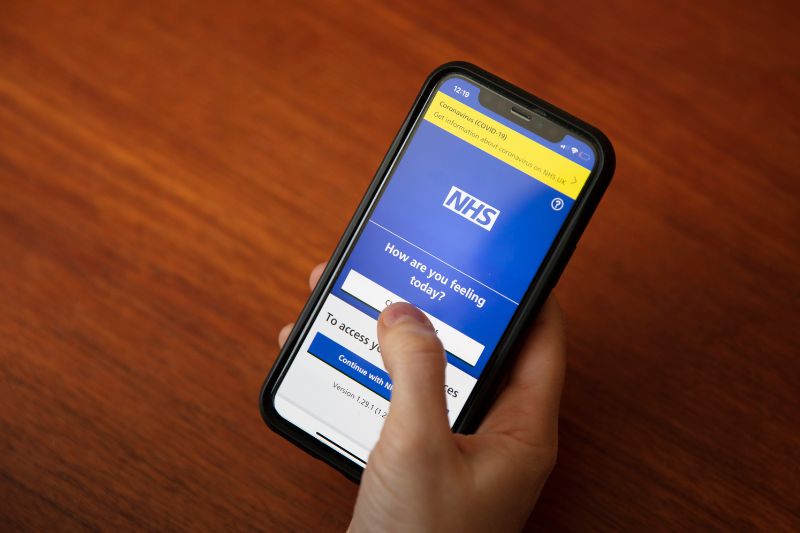
The NHS has announced that it will expand the use of artificial intelligence across England, introducing AI-powered patient triage through the NHS App.
The programme aims to expand the use of AI across frontline services, supporting faster access to care, reducing administrative burdens on clinicians and strengthening the NHS's digital infrastructure.
The AI-powered triage service within the NHS App will assess patients' symptoms and direct them to the most appropriate service, whether that is self-care, a community pharmacy, a GP practice, an urgent treatment centre or emergency care.
The aim is to help patients access the right care more quickly while reducing unnecessary demand on overstretched NHS services.
The AI triage tool is expected to support more than 200,000 patients during its first year of deployment before being expanded across England as part of a wider national rollout.
Alongside the new triage capability, the NHS will significantly expand the use of AI-powered clinical documentation technology.
The software automatically generates consultation notes, clinical summaries and other administrative records from patient appointments, reducing the time clinicians spend on paperwork and allowing more time for direct patient care.
The technology forms part of a broader digital transformation programme designed to modernise NHS services and improve productivity.
The £10bn investment will also fund upgrades to digital infrastructure, improve data-sharing capabilities across health and care organisations, strengthen cyber security and support the adoption of new digital tools throughout the NHS.
The announcement builds on the government's recently published 10 Year Health Plan, which sets out a long-term strategy for transforming healthcare through three major shifts: from hospital to community-based care, from analogue to digital services and from treating illness to preventing it.
Digital technologies and artificial intelligence are identified as key enablers of these reforms, supporting earlier intervention, more personalised care and improved operational efficiency.
According to NHS England, the investment is expected to generate £41bn in total benefits over the next decade.
“By harnessing the power of AI, using it to direct people to the right service first time and giving clinicians back more time to spend with patients, we’re making the NHS work better for patients and staff alike and helping make it fit for the future for its next 78 years,” said Health and Social Care Secretary, James Murray.


