The last year has been a defining one for P+HS Architects not only in terms of the projects we’ve delivered, but in the foundations we’ve strengthened to support the future of healthcare design.
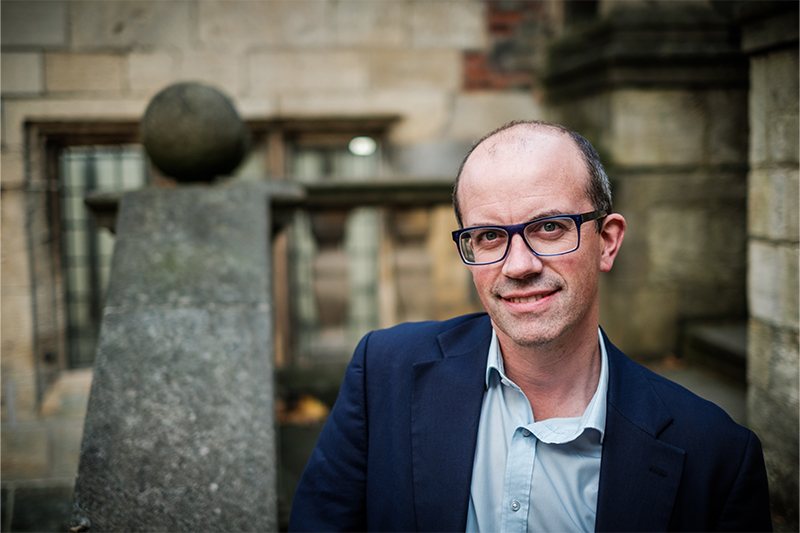
Stepping into the role of Managing Director gave me a renewed perspective on what really drives successful healthcare estates projects. The answer isn’t technology, or process, or even experience alone. It’s people.
Great healthcare places are created by great people
The role of leadership is to support those people so they can collaborate, innovate and deliver with purpose.
Strengthening core foundations
This year we placed particular focus on investing in the fundamentals that enable consistently high-quality design. This included structured skills development, expanding leadership pathways, and deepening sector expertise across our teams. We have enhanced our regional presence to remain close to local NHS partners, and we continue to embed sustainability thinking throughout our design processes.
These investments matter because healthcare design requires more than architectural know-how. It demands operational understanding, clinical awareness and a commitment to continuous improvement. Our teams who feel supported and confident are better equipped to engage in the detailed conversations that futureproof healthcare environments.
Delivering real-world impact
Across the UK, we’ve been proud to support a wide range of projects from acute and primary care settings to mental health and community facilities. Despite the pressure on NHS services, we have seen strong appetite for design solutions that improve patient experience, staff wellbeing and operational flow.
The priorities shaping healthcare estates today remain clear:
- improving efficiency, adjacencies and clinical pathways
- delivering sustainable, long-life, low-carbon buildings
- creating flexible spaces that accommodate future models of care
- achieving more within tight capital constraints
These are complex challenges, but the right collaborative approach ensures that every design decision adds value where it matters most.
A culture of collaboration
If there’s one lesson that stands out from my 1st year in role, it’s the impact of culture. A culture rooted in openness, curiosity and accountability leads to better design outcomes. It encourages early challenge and more confident decision-making both within our practice and with our NHS partners.
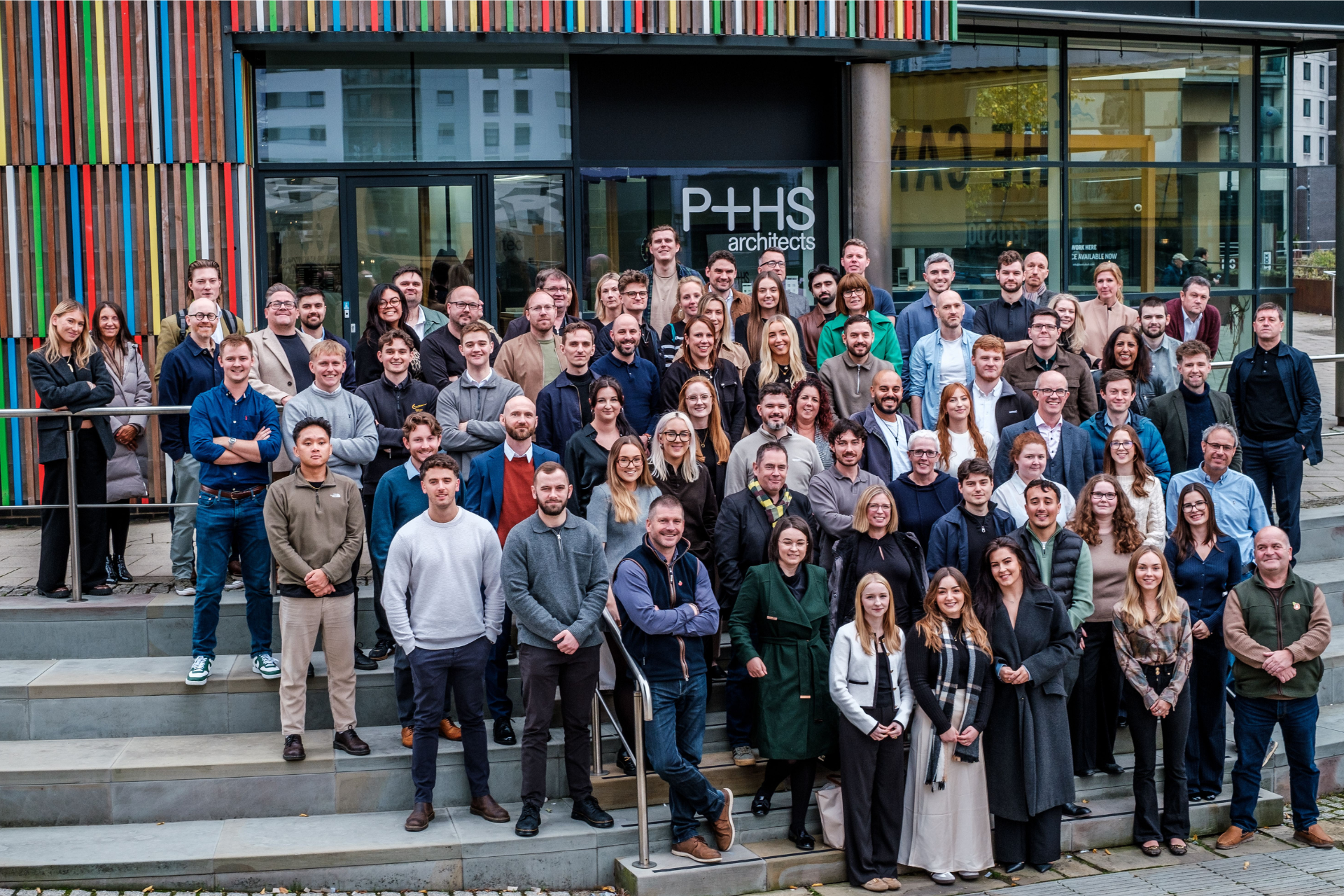
We work as one team across the health system
This aligns with the realities of the health system. Successful estates projects rely on clinicians, estates teams, contractors and patient representatives all shaping the outcome. Our “one team” mindset and value ensure that everyone’s voice is heard and that solutions genuinely reflect operational need.
Looking ahead
As we look to the coming year, our priorities remain focused on supporting system pressures while driving design quality forward. We will continue to:
- strengthen relationships with NHS organisations and ICS partners
- invest in sector-specific expertise
- champion sustainable and efficient design solutions
- support teams delivering projects in increasingly challenging environments
- put people at the heart of every design decision
There’s no question that the NHS estate faces a demanding future. Ageing buildings, evolving clinical pathways, digital transformation and net-zero commitments all require careful, strategic design.
But there’s also opportunity: to create modern, resilient environments that improve care, reduce operational pressures and serve communities for generations.
Closing reflection
I’m immensely proud of what our teams and partners have achieved this year. Their expertise, dedication and collaborative spirit have delivered real impact across the health system. As we continue into the next phase of our journey, our focus remains clear designing healthcare environments that support staff, improve outcomes and build stronger, healthier communities.