
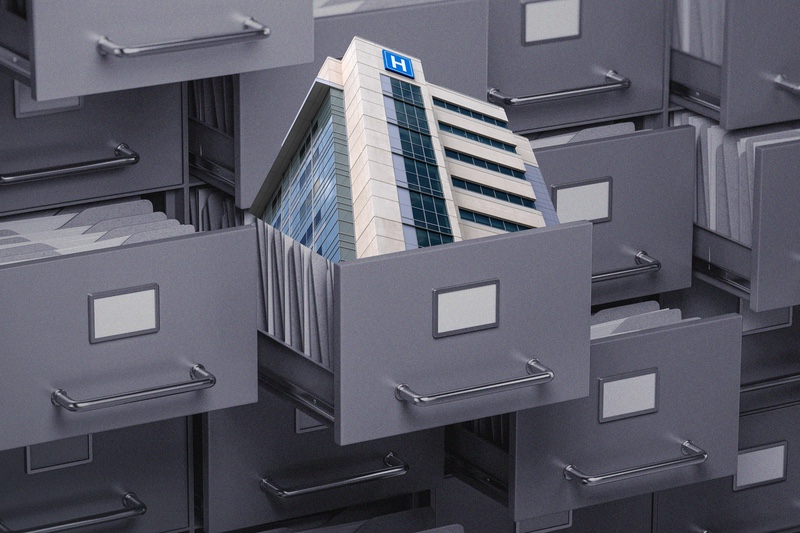
For decades, maintenance and replacement data in the construction industry have been collected in an ad hoc, fragmented manner. Under PFI contracts, different contractors and maintenance teams have kept records using varied methods and formats, often resulting in incomplete or inconsistent documentation. As buildings age and contracts come to an end, these scattered records become a critical liability. As a result, facility managers, who will inherit these assets, will likely be forced to piece together a building’s history from a mishmash of paper files, legacy databases and incomplete digital records.
This disjointed approach has the potential to lead to several serious issues. Without a unified record, it’s difficult to determine the true state of an asset, which could lead to unexpected maintenance costs or safety risks. Fragmented data also makes it challenging to identify trends where it is possible to schedule preventative maintenance or plan for necessary replacements.
Furthermore, regulatory requirements for safety, energy efficiency and accessibility demand accurate, up-to-date documentation - a goal that’s nearly impossible to achieve with inconsistent records. In short, the lack of a standardised system not only hampers efficient asset management, but also undermines trust in the quality and reliability of public infrastructure.
While the buzz around digital twins has captured attention in recent years, the real challenge for many construction projects - and especially for public asset handovers - is not just about having a real-time, interactive model of a building. Rather, it’s about


