
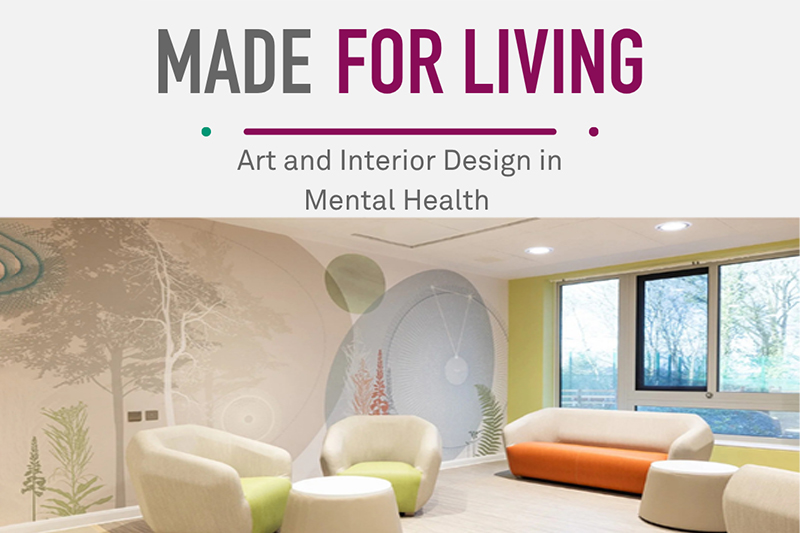
It’s your first night on the ward. You’re already overwhelmed. Every sound feels louder than it should. Every light feels too bright.
The corridor echoes. A door closes somewhere, sharp and sudden. Footsteps pass, then silence, then noise again. You don’t know what’s coming next.
The lighting hums faintly above you. The walls feel cold, unfamiliar. Nothing in the room feels yours.
And in that moment, safety isn’t just about preventing harm.
Because if a space feels cold, unfamiliar, or out of your control, it doesn’t feel safe at all, no matter how well it performs on paper.
The design paradox: safety vs therapeutic environments
Mental health environments must manage real and serious risks. Ligature points, barricade risks, unpredictable behaviours during periods of mental distress — these are non-negotiable challenges.
But when safety becomes visually dominant, something shifts. Spaces begin to feel cold and custodial rather than caring.
We have all seen environments that look secure but feel unsettling. Functional, but not human. And this creates a paradox.
The goal is to design environments where the space itself actively supports calm, dignity, and recovery whilst safety works subtly in the background.
This is where art and design move from aesthetic decisions to critical components of a safety strategy.
Sensory-informed design and colour: designing for how people feel
Expert perspective: Liz Lavender
Liz Lavender’s work begins with a simple but often overlooked truth:
The first point of any recovery is to feel safe.
What is sensory-informed design
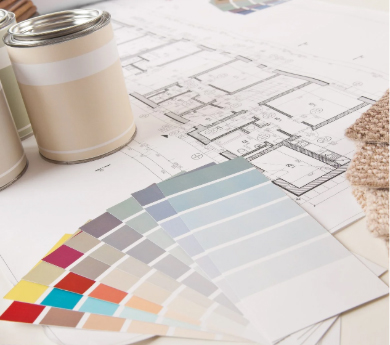
Sensory-informed design considers how people experience a space through:
-
Light
-
Sound
-
Colour
-
Texture
-
Materials
In mental health settings, many people experience heightened sensitivity. Noise feels louder. Light feels harsher. Surfaces feel more clinical.
When these factors are poorly designed, they do not just create discomfort. They can trigger escalation.
Through her work across multiple mental health settings, Liz has seen that poorly designed sensory environments do not just create discomfort — they can increase distress and contribute to escalation.
Her conclusion was clear:
These are not complex problems. They are design decisions.
The psychology of colour and material choice
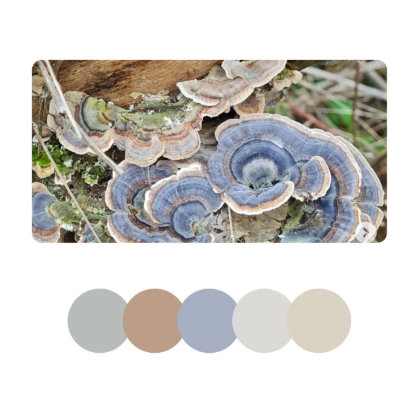
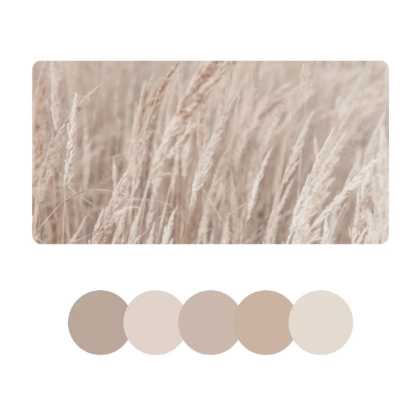
Small choices carry significant weight:
| Common default choice | More considered design approach |
|---|---|
| Vibrant, highly saturated colours that can overstimulate and trigger heightened senses | Nature-based colour palettes that are associated with reduced stress and a greater sense of calm |
| Gloss finishes that reflect light and create harsh, uncomfortable environments | Matte finishes that soften light and contribute to a calmer, more balanced space |
| Fluorescent lighting that flickers and increases discomfort and stress | Dimmable LED lighting that provides consistent, controllable light and improved comfort |
| Vinyl surfaces that feel cold and institutional | Modern fabrics that offer warmth and familiarity while still meeting infection control and durability needs |
The Brook Hospital – sensory-informed design in action
At The Brook, sensory-informed design was embedded from the outset, shaping key decisions around lighting, materials and layout to actively reduce distress and support emotional regulation.
The impact has been clear:
-
Improved comfort
-
Reduced sensory overwhelm
-
An environment that helps people feel safe from the moment they arrive
The project was recognised at the Design in Mental Health Awards 2024, where it received a Highly Commended distinction, including in the Project of the Year, Future Design category.
Biophilic art: bringing the outside in, meaningfullyExpert perspective: Kate Bond
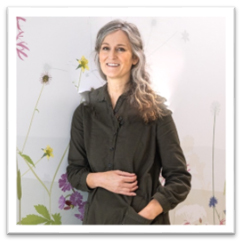
If sensory-informed design shapes how a space feels, biophilic design shapes how it connects.
Kate Bond describes her work as:
Bringing the outside in
But the impact goes far beyond decoration.
Nature gives us hope for the future, especially in the environments where people need it most. It also reminds us that we are part of nature, not separate from it or above it, which can be grounding in moments of distress or uncertainty.
What is biophilic design

Biophilic design integrates elements of nature into built environments:
-
Natural imagery
-
Organic patterns
-
Colour palettes drawn from landscapes
-
References to local surroundings
It is grounded in something we all recognise instinctively.
We feel better in nature.
As Kate explains, even a simple walk outdoors can reduce stress and shift your mental state. The challenge in healthcare is recreating that effect within constrained environments.
Why nature matters in recovery spacesIn mental health settings, access to nature is often limited.
Biophilic design becomes a way to bridge that gap.
It can:
-
Reduce stress and anxiety
-
Create moments of distraction and calm
-
Support emotional regulation
But only when it is done well.
Kate also believes strongly in the small details, saying that she always adds “lots of small details in her work” so that staff, who are typically viewing the artwork the longest, can always find new things.
Avoiding the “jarring” effectNot all nature imagery works.
Kate highlights a common issue: generic, out-of-place imagery can feel disconnected. A palm tree scene on a door that has no relevance to the environment can feel confusing rather than calming.
For artwork to be effective, it must make sense.
It should connect to:
-
The local environment
-
Familiar reference points
-
The overall story of the space
This is why consultation matters.
On projects like Silverwood, artwork was developed through workshops with service users and stakeholders, creating a shared sense of ownership and meaning.
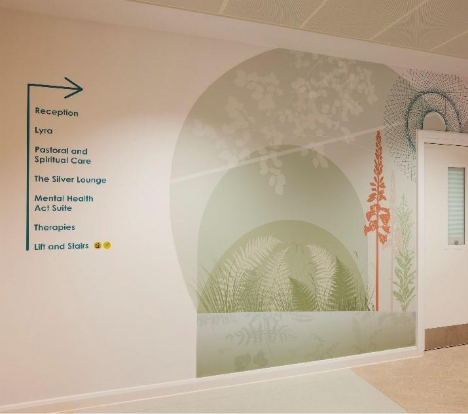
Photography: Tom Bright
Silverwood hospital: Surrey and Borders Partnership NHS Foundation Trust
Art as part of a holistic environmentArt should not be added at the end.
It should be part of the environment from the beginning.
When integrated properly, it becomes:
-
A narrative across the space
-
A tool for orientation and understanding
-
A subtle but powerful contributor to calm
Not an afterthought. A foundation.
Biophilic design in practice – Silverwood Hospital
Photography: Tom Bright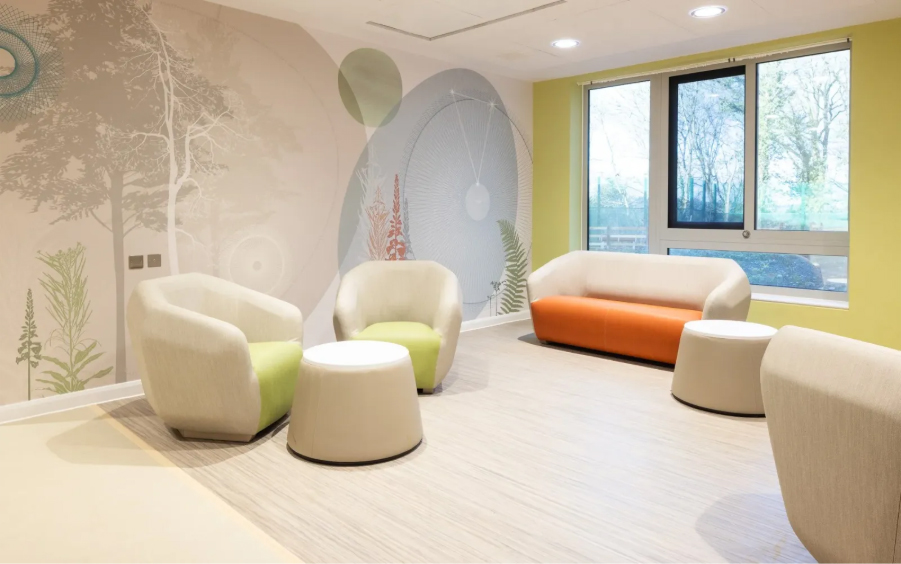
At Silverwood Hospital, the integration of biophilic artwork has helped transform the environment into one that feels calmer, more connected, and easier to navigate.
By grounding the artwork in the local landscape and embedding it throughout the building and outdoor spaces, the design supports orientation, reduces stress, and creates meaningful points of focus for service users.
The result is a more cohesive and therapeutic setting, where people feel a greater sense of ownership and comfort. It demonstrates how well-integrated art can soften clinical environments and play a measurable role in supporting wellbeing and recovery.
The project was also recognised by the wider healthcare community, winning Silver for ‘Best Interior Design Project (New Build)’ as well as being commended at the Design in Mental Health Awards for Art Installation of the Year.
Practical ways to bring art and design into your safety strategyNew builds
When starting from scratch, having sensory-informed and biophilic design on the table from the first meeting is crucial for creating a therapeutic space where healing is helped by the environment, not hindered.
-
Work collaboratively with lived experience voices
-
Involve service users, designers and artists early to co-produce the vision
-
Design with light, sound and materials in mind from the outset
-
Integrate biophilic elements across the whole environment, not just feature walls
Refurbishments and upgrades
You do not need a blank canvas and lots of extra funding to make a meaningful difference. Deliberate, informed decision-making can have a huge impact with low capital investment.
-
Revisit colour palettes during repainting
-
Switch to matte finishes to soften light and reduce glare
-
Explore alternatives to traditional materials that feel less institutional
-
Address noise sources, including slamming doors or excessive alarms
-
Introduce artwork that reflects local context and meaning
Small interventions can have a disproportionate impact.
Because they change how a space is experienced, not just how it looks.
Safety that disappears into the design
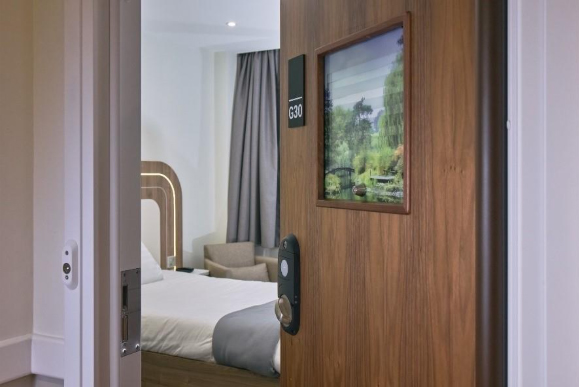
Should the most effective safety systems not be the ones you barely notice, designed around lived experience and clinical reality?
The most effective safety systems blend into the background and work with existing clinical workflows. They should be based on lived experience and clinical reality:
-
Safety features that are visually unobtrusive
-
Products without excessive visible fixings or institutional cues
-
Door systems that empower autonomy, not reinforce restrictions
-
Technology, such as full door ligature detection, that quietly raises an alert for staff
This enables safety to integrate seamlessly into design, becoming something people trust rather than something they feel.
The future of healing environmentsMental health environments are changing.
We are moving from spaces that just manage risk to spaces that also support recovery.
That shift is being shaped by collaboration between:
-
Lived experience voices
-
Artists
-
Interior designers / architects
-
Clinicians / estates managers
-
Product design engineers
Each brings a different perspective. Together, they create environments that are safer, calmer and more human.
A final thoughtWhat if safety did not have to look like safety?
What if the environments we design could protect people in a caring way, while actively helping them feel calm, respected and supported?
Art, sensory-informed design and biophilic thinking should be essential.
How to get started
Safehinge Primera believes therapeutic design should not be reserved for flagship projects.
-
Access practical design guidance
-
Connect with experts like Liz Lavender and Kate Bond
-
Explore how safety and design can work together from the start
Get in touch and we will help you take the next step.
Liz Lavender
Website
LinkedIn
The Environmental Hub
The Environmental Hub is a practical resource that helps teams understand how everyday design choices shape safety, comfort, and recovery.
Sensory Informed Design In Practice Webinar
Design in Mental Health Network, in partnership with NHS England South West and Devon Partnership NHS Trust, live webinar exploring The Brook, a newly completed inpatient unit shaped by sensory-informed design.


